
 / All Events
Without Physical Reconstruction That Leads to Political Reconstruction, Israel Will Remain Trapped in the Cycle of Fighting
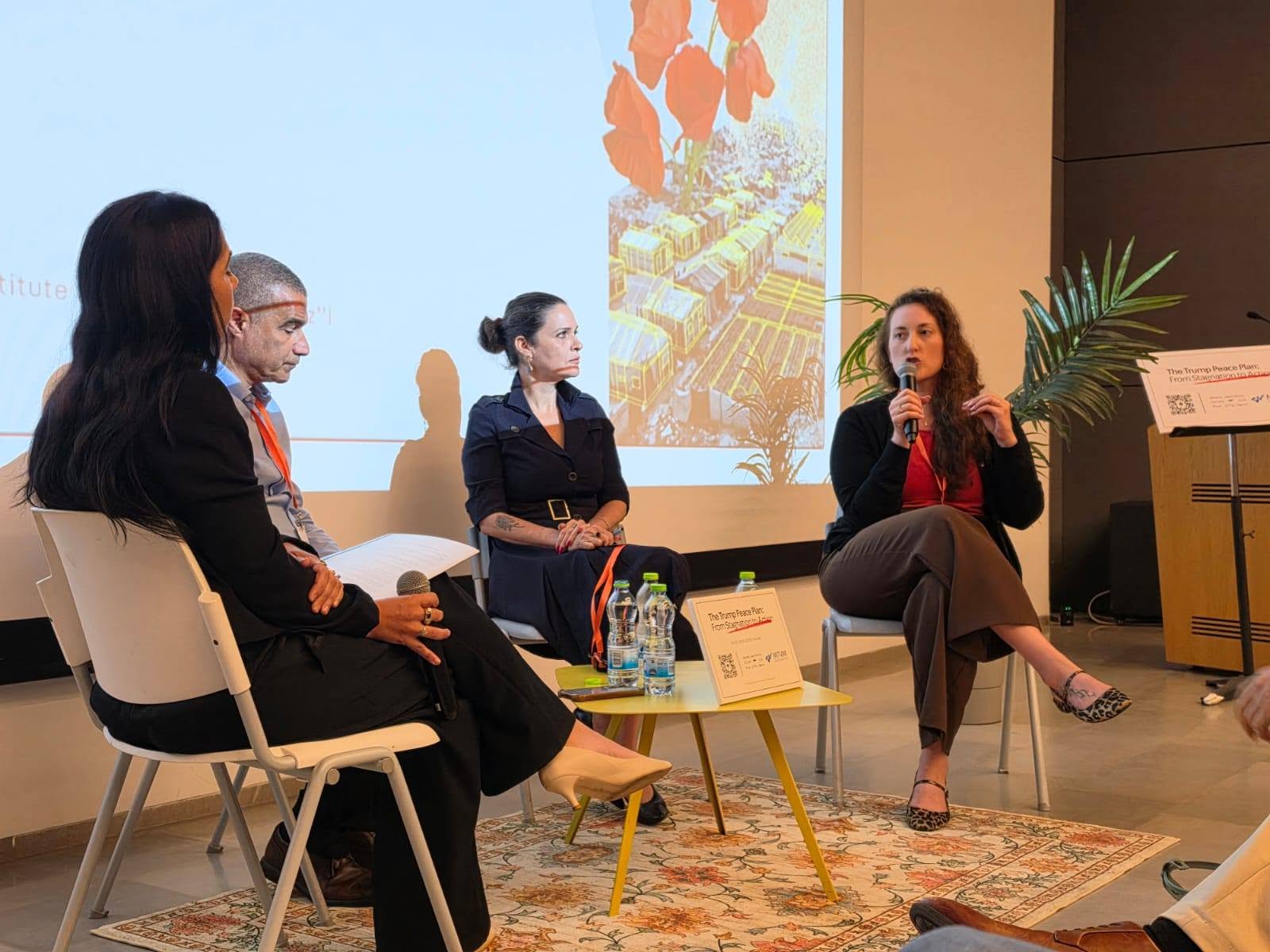
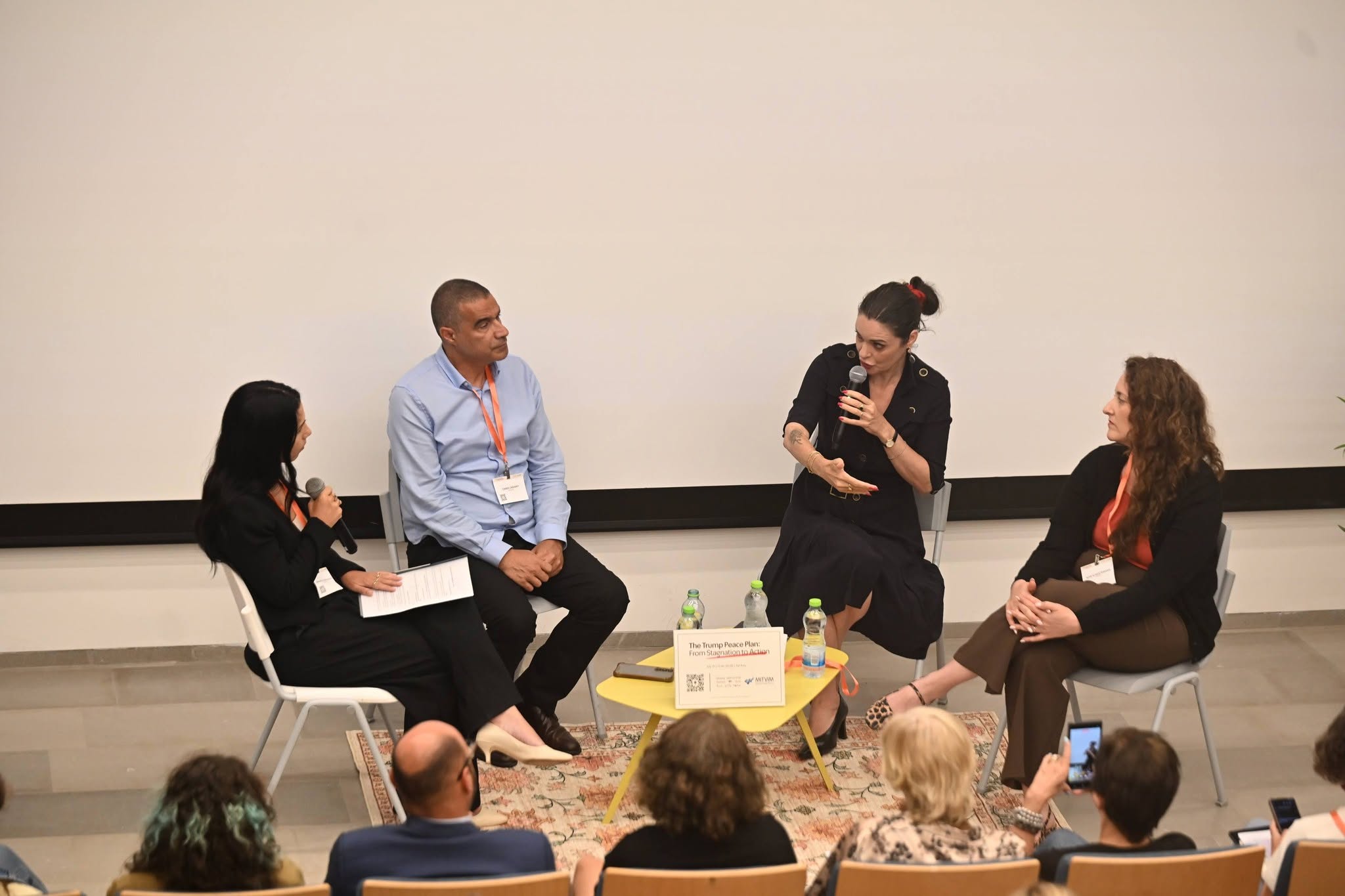
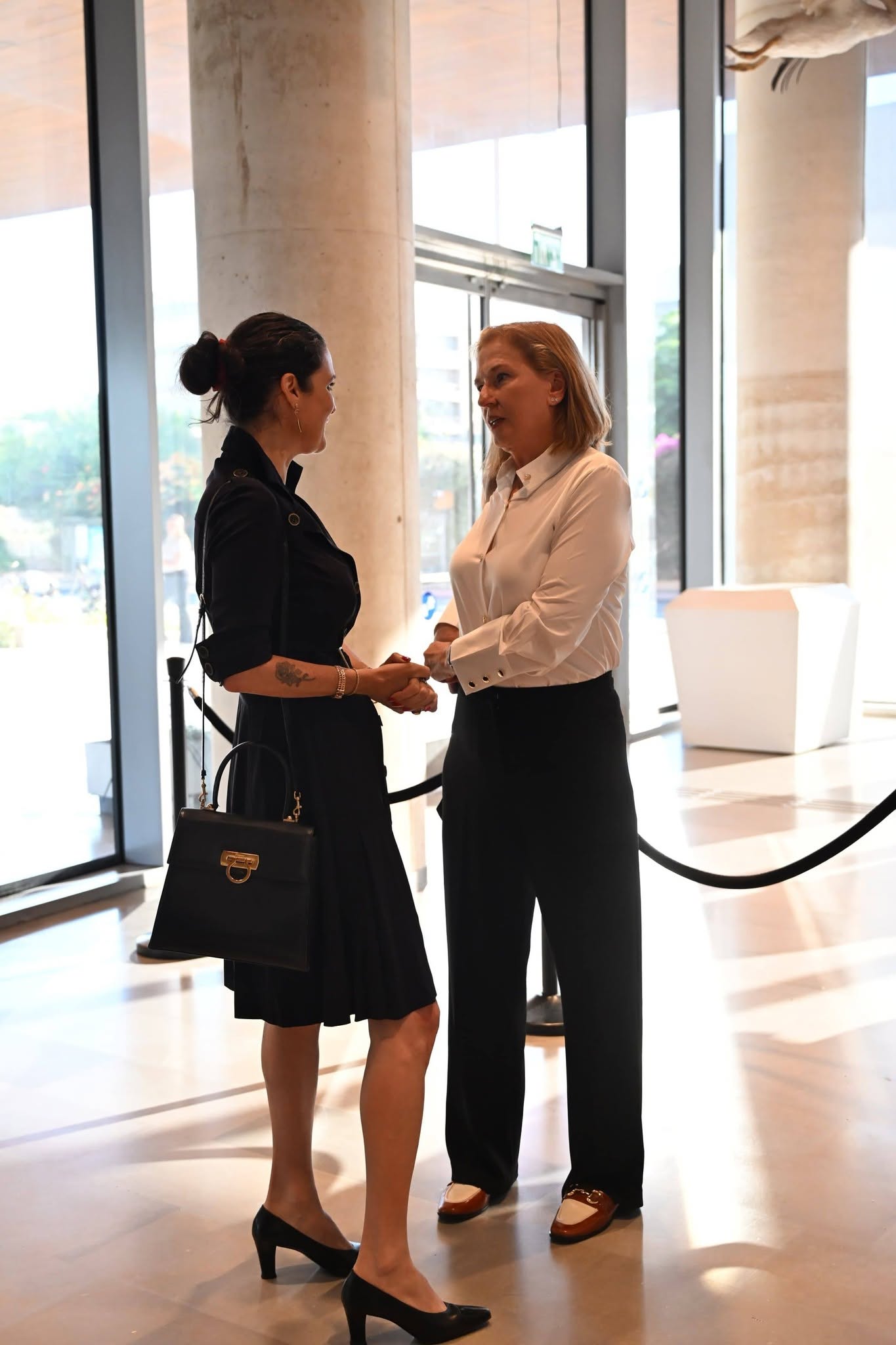
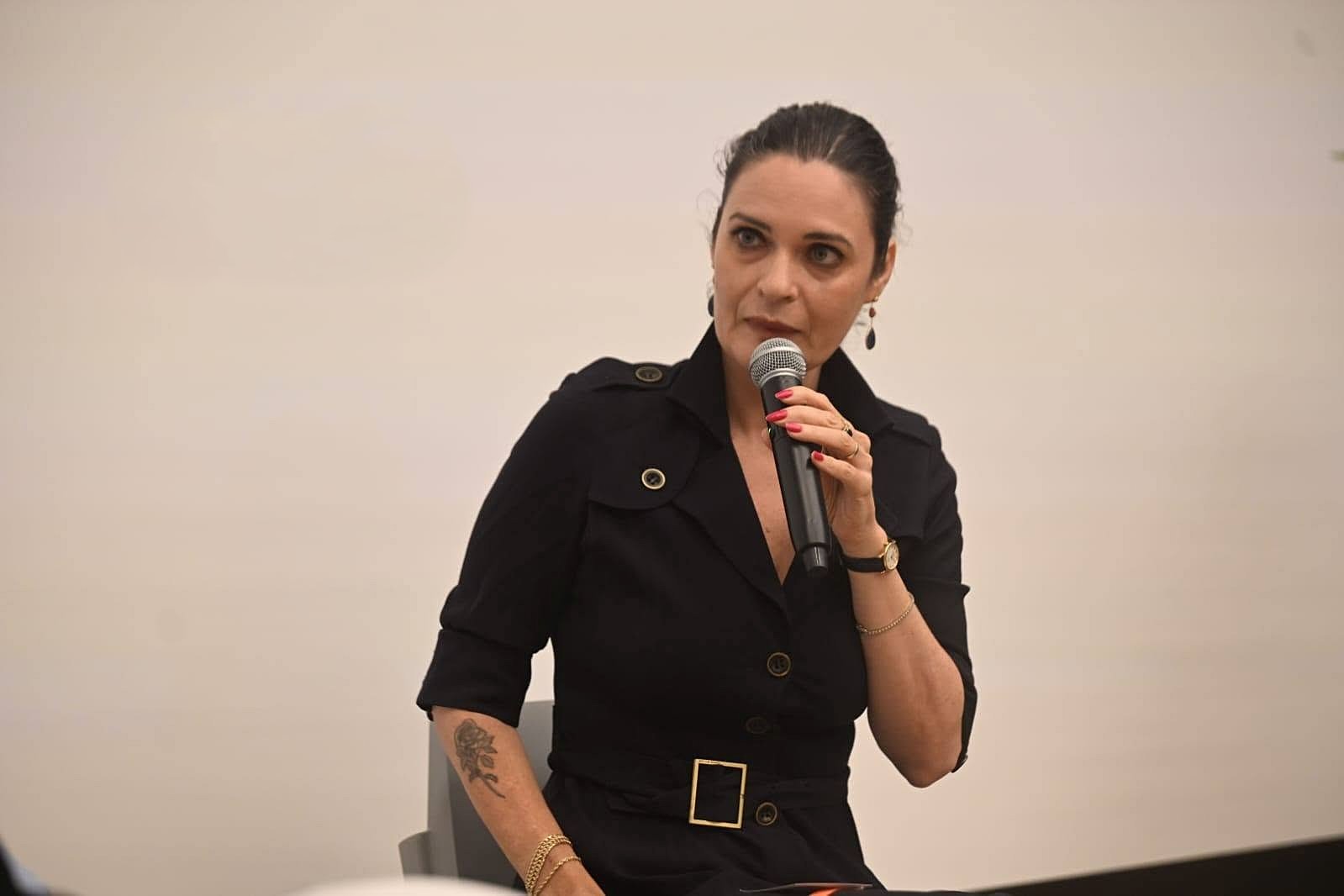
At the conference “The Trump Peace Plan: From Stagnation to Action”, led by the Arava Institute and the Mitvim Institute, former Prime Minister Ehud Olmert, former Acting Prime Minister Tzipi Livni, and policy and security experts called for advancing a political and security process to implement the 20-point plan for Gaza, establish an alternative governing framework to Hamas, and promote the reconstruction of the Strip as part of Israel’s security interest.
The conference focused on the question of the day after in Gaza, the possibility of turning the 20-point plan from a stalled political framework into a practical action plan, and the roles of Israel, the Palestinians, regional states and the international community in shaping a new reality in the Strip. Speakers stressed that without a Palestinian governing alternative, civilian reconstruction and a political horizon, Israel may remain trapped in a reality of ongoing fighting, Hamas’ renewed strengthening, and the absence of long-term security for residents of southern Israel and all Israeli citizens.
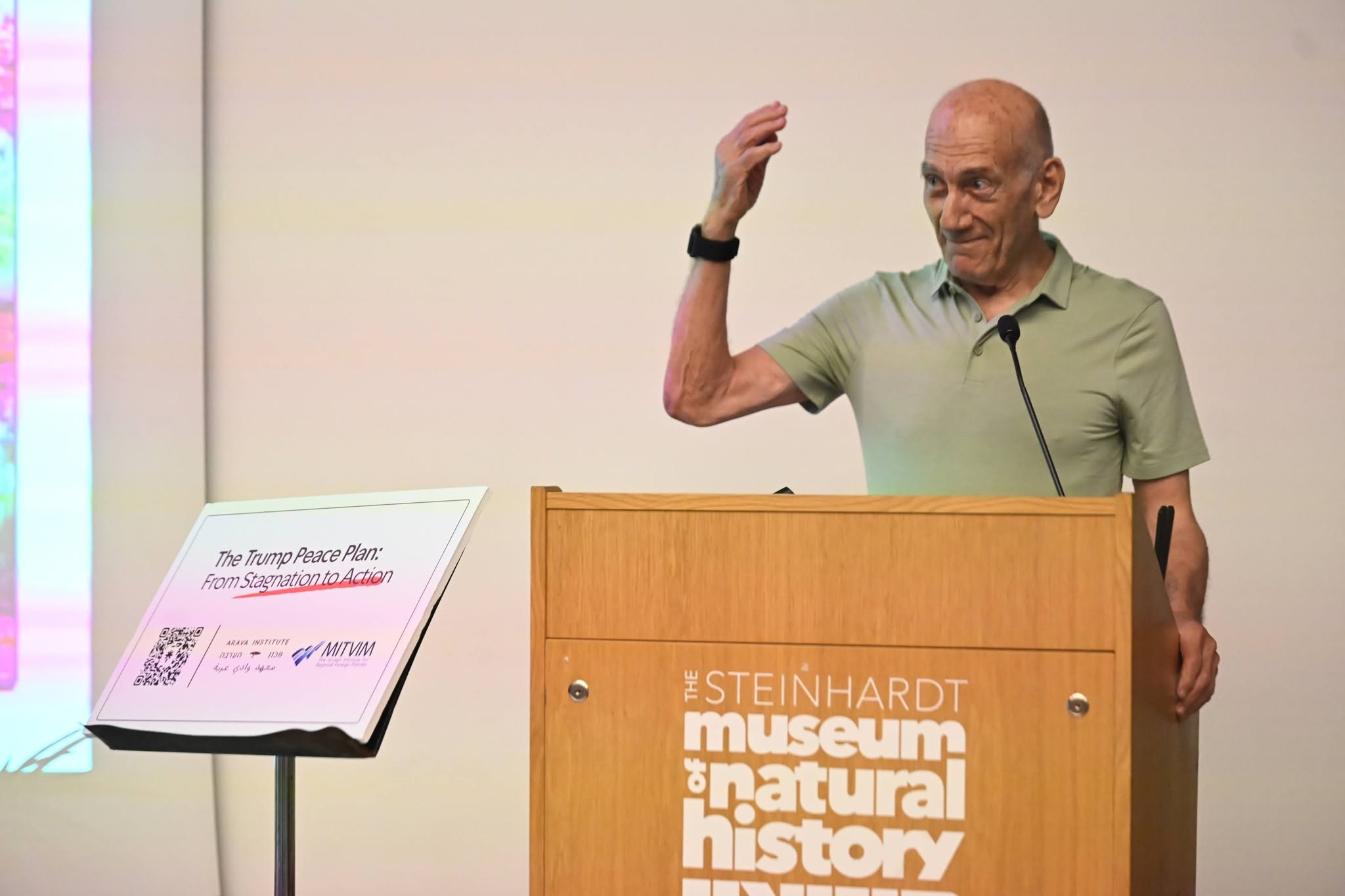
Olmert: “The Israeli government prefers to perpetuate the war”
Former Prime Minister Ehud Olmert sharply criticized the Israeli government’s policy and its unwillingness to implement the 20-point plan. Olmert emphasized that although the plan is not a “peace plan” in the broader sense, it could serve as a basis for ending the war in Gaza and opening a wider political process.
“The 20-point plan is not a peace plan, but a plan to end the conflict in Gaza,” Olmert said. “But if it is implemented, it can serve as a basis for a broader political process that could, in the future, also lead to a more comprehensive solution.”
According to Olmert, the central problem is not the lack of a framework for action, but the lack of political will on the part of the government to advance it: “The Israeli government does not truly want to bring this plan to fruition. It wants to continue the fluid situation that enables the continuation of military activity, even though there is no chance that this activity will change anything substantial in the reality in Gaza.
There is no plan, no willingness, no preparation, and no coordination with the actors who could help implement the plan. In practice, this is an attempt to perpetuate the status quo that makes it possible to continue the fighting.”
Olmert added that continuing the fighting without a political process does not bring Israel closer to security, but rather preserves a reality of instability, terrorism and hatred. According to him, Israel must cooperate in establishing an international and regional mechanism that could stabilize the Strip and help create a civilian alternative to Hamas rule.
“The international stabilization force must be established quickly, under Egyptian leadership,” he said. “It will not be established if the State of Israel is not prepared to cooperate with its establishment. There will always be excuses — but without Israeli cooperation, there will be no change.”
According to Olmert, without the establishment of an international stabilization force and a civilian mechanism to govern the Strip, “terror will continue, Hamas will continue, hatred of Israel will continue, and the consequences for all countries in the region will be extremely severe.”
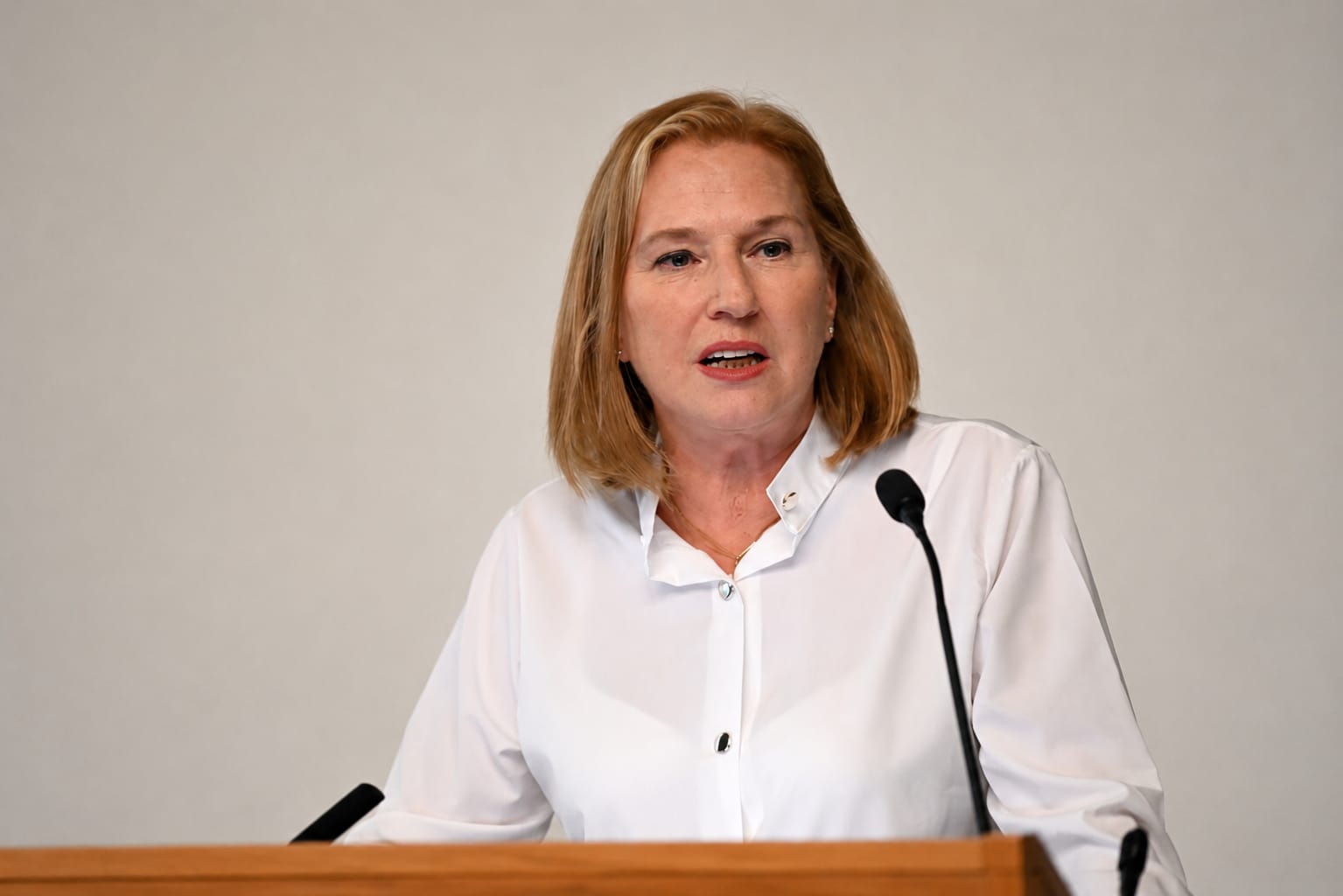
Livni: “What happens in Gaza does not stay in Gaza”
Former Acting Prime Minister and former Minister of Foreign Affairs and Justice Tzipi Livni said at the conference that the Trump plan cannot, on its own, end the Israeli-Palestinian conflict, especially as long as it does not address the West Bank. At the same time, she said, it can be an important starting point for changing the reality in Gaza — if Israel works to advance it rather than erode it.
“It is important to be precise: the title of the conference is the Trump Peace Plan, but let’s tell the truth,” Livni said. “Even if Trump presented the 20-point plan as a plan that would end a conflict of thousands of years, it will not bring peace between Israelis and Palestinians. Anyone who thinks that a plan that ignores the West Bank can end the conflict is wrong and misleading — and that is dangerous, especially at a time when the West Bank is burning.”
Nevertheless, Livni stressed that the plan sets out important principles regarding Gaza: the demilitarization of the Strip, the disarmament of Hamas, the establishment of pragmatic and effective Palestinian governance, and civilian reconstruction that does not pass through Hamas.
“If we look at the plan nonetheless, it is good. It is a beginning, and it can be the beginning of something that changes the reality in Gaza in the long term. In plans like this, the test is always in implementation, but the very fact that binding principles were set out, representing the interests of all sides — except Hamas — is important.”
Livni emphasized that Hamas cannot remain a governing or military power in the Strip, but warned against the illusion that military force alone can create a stable reality.
“It is important to tell the truth about Hamas: the central principle of the Trump plan is the understanding that Hamas’ existence in the Gaza Strip, as an armed militia or as a governing actor, leaves no hope for peace — not for Israelis and not for Palestinians. Hamas represents a religious-jihadist conflict that does not fight for a right, but against the existence of those it views as infidels.
That is why I supported all operations against Hamas, and certainly the war that was required after October 7. But Israeli citizens must understand that this is an asymmetric war between a state and a terrorist organization. Politicians sold the slogan of total victory, but for terrorist organizations, victory is survival itself. At any point when the war ends, the next terrorist can emerge and try to rearm. That is why political measures must complement the necessary military measures.”
According to Livni, political moves should not be conducted with Hamas, but with pragmatic and moderate Palestinian actors that recognize Israel’s existence and can serve as the basis for an alternative governing framework.
“The political measures are not supposed to be with that terrorist organization, but with the more pragmatic and moderate actors who recognize the existence of the State of Israel. This exists in the Palestinian Authority, whether through the PA itself or through Fatah as a political actor within it.”
Livni criticized the Israeli government’s ongoing refusal to allow the establishment of a Palestinian governing alternative in Gaza, even in the form of a temporary technocratic government.
“Now the technocratic government is stuck in Cairo and is not receiving approval to enter and begin operating. Hamas remains and strengthens its control, takes over aid and takes its cut, as it has done over the years, and at this stage it is not prepared to disarm. The demand for disarmament and demilitarization is justified, but standing still and waiting is not a proper policy. There is no vacuum, and time is working against us.”
Livni concluded by warning against a return to the same conception that, in her view, led to the failures of October 7: weakening pragmatic Palestinian actors while leaving Hamas as the dominant force on the ground.
“Those who do not want, or do not present, a realistic plan — and those who are not prepared to accept the Palestinian Authority or Fatah as an alternative — will get Hamas, because that is what and who will remain. And those who do not want technocrats will get murderers. These are the choices in the Middle East.
What happens in Gaza does not stay in Gaza. For a long-term change in reality, strategically and practically on the ground, the Trump plan can be that plan — but only if Israel works to advance it and not to erode it.”
Murciano: “Gaza reconstruction is a political and security game changer”
Dr. Gil Murciano, CEO of the Mitvim Institute, emphasized at the conference that Gaza reconstruction is not merely a humanitarian issue, but a central component of Israel’s national security and of the ability to reshape Israeli-Palestinian relations.
“When we talk about the reconstruction of Gaza, we are talking about one of the most important political game changers in shaping Israeli-Palestinian relations in the coming years — and in the ability to weaken Hamas, build a governing alternative and change reality,” Murciano said.
According to him, the question of who leads the reconstruction of the Strip is not merely technical or infrastructural, but a first-order political and security question.
“Those who rebuild Gaza will also be those who shape the new political order. Therefore, reconstruction is not only a humanitarian or economic issue, but a central component of Israel’s national security and the security of its residents.
The decision of how Gaza will be rebuilt, and what Israel’s role in that process will be, is no less important to Israel’s security than the question of which tunnel we blow up. It concerns the conditions under which we will be able to block future threats and create a more stable reality.”
Shek: “Implementing the agreement is an Israeli interest — not a prize for Hamas”
The conference was opened by Ambassador (ret.) Daniel Shek, a member of Mitvim’s Board of Directors, who addressed the gap between the announcement of the 20-point plan and its implementation in practice.
“Soon it will be one year since the announcement of the 20-point plan, and if we are honest with ourselves — only one clause has been fully implemented: the release of all the hostages. The ceasefire clause is being implemented only partially, and other clauses are still waiting for the first signs of implementation, not to mention reconstruction of the Strip,” Shek said.
Shek emphasized that implementing the agreement is not a concession to Hamas, but a clear Israeli interest.
“Implementing the agreement is an Israeli interest — not a prize for terrorism and Hamas. We must remember that neither side wanted the agreement in the first place, and both entered it only under threats from a third party, whose attention is now directed elsewhere. The Israeli government and Hamas are doing everything they can to wear the agreement down to nothing.”
Mann: “Gaza reconstruction also requires trust and a political horizon”
The European Union Ambassador to Israel, Michael Mann, said at the conference that the challenges of Gaza reconstruction are immense, but stressed that reconstruction cannot be limited to the physical rebuilding of infrastructure.
“The challenges are enormous. Gaza reconstruction is not only about schools, hospitals and infrastructure — it also requires building trust and a real political horizon,” Mann said.
According to him, the European Union’s approach is based on a combination of humanitarian aid, security, reconstruction and a broader political framework.
“Our approach is based on four principles: humanitarian assistance, restoring security, successful reconstruction that goes hand in hand with security arrangements that prevent Hamas from returning to power in Gaza, and the understanding that Gaza’s recovery cannot be disconnected from a broader political solution.
That is why the European Union is working to revive the two-state solution. We are convinced that a sustainable peace will be based on the State of Israel and a Palestinian state living side by side, within secure and recognized borders.”
Tzanani: “To push Hamas out, the dynamics must be changed from the ground up”
Dr. Omer Tzanani, Head of the Foreign and Security Policy Team at the Mitvim Institute and the Berl Katznelson Foundation, strongly criticized the current government’s policy toward Gaza. According to him, the government is preserving a reality that leaves the Strip destroyed, impoverished and dependent on Hamas — even when this harms Israeli security.
“The current government is doing everything it can to leave Gaza bleeding, Hamas-dominated, poor and destroyed — even when this comes at the expense of the security of us all. It clings to a military approach of small steps, designed to keep Gaza stuck in place,” Tzanani said.
According to him, to push Hamas out and bring real security to the residents of the Gaza border communities, a new systemic approach is needed.
“To push Hamas out and bring real security to the residents of the Gaza border communities, the dynamics must be changed from the ground up and a new systemic approach must be adopted: alongside preserving Israel’s freedom of military action, Israel must present a real political horizon, establish a Palestinian governing alternative in the form of a technocratic government with regional and international support, dry up Hamas’ financial system and intensify the delegitimization of the organization.
Gaza reconstruction must be part of the establishment of a new Palestinian state entity — as part of a broader move that weakens Hamas and strengthens Israel’s security.”
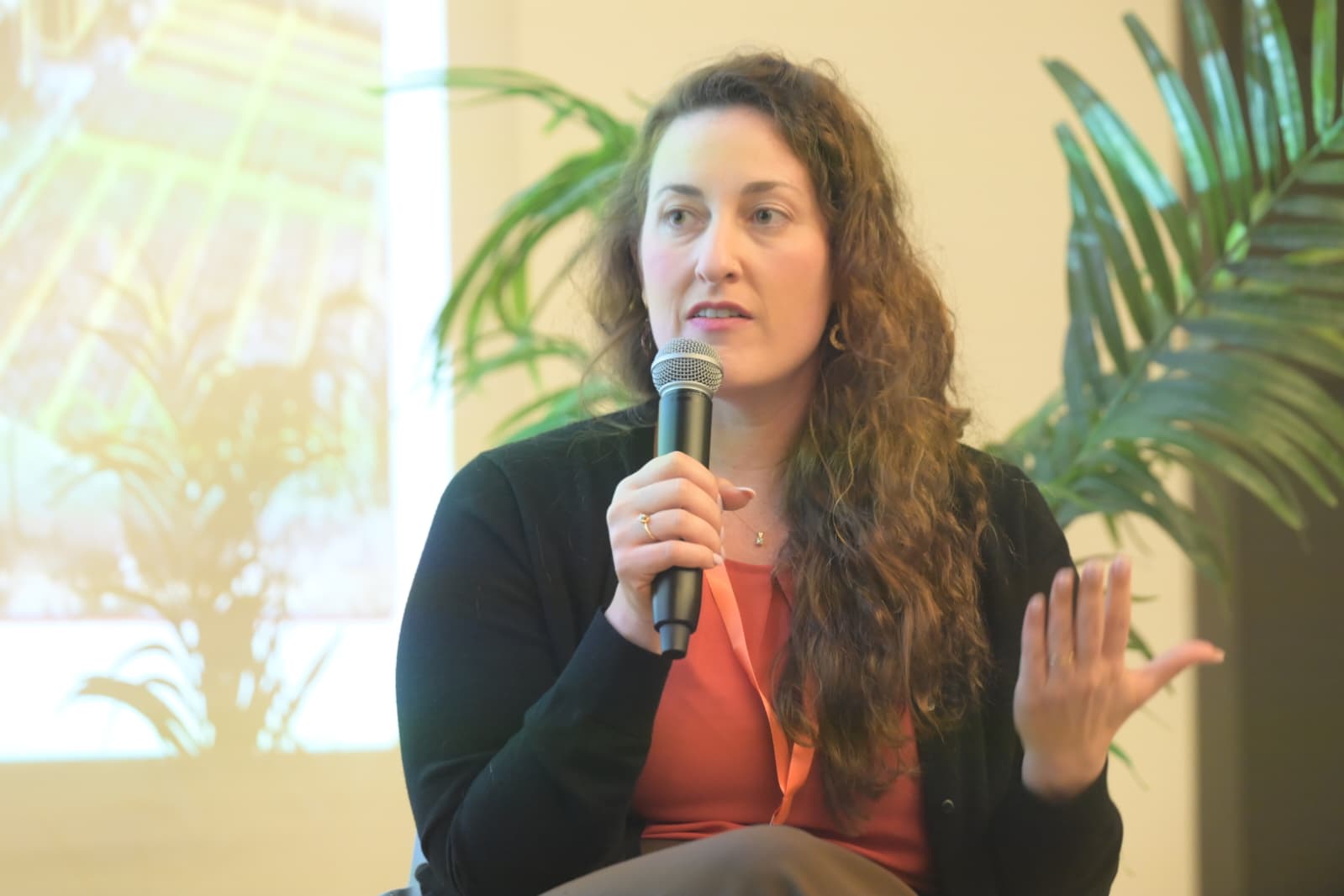
Photos: Paulina Patimer

