
The Israeli Foreign Policy Index of 2026
The survey examines public attitudes toward Israel’s preferred strategy across the different conflict arenas, and toward the possibility of transitioning from military campaigns to future
The survey examines public attitudes toward Israel’s preferred strategy across the different conflict arenas, and toward the possibility of transitioning from military campaigns to future
This paper examines the concept of “normalization through strength” through a dual Israeli-Saudi lens, arguing that military power alone cannot generate sustainable regional integration.
The question today is not whether the United States should support Israel. It must and it should. Israel faces real and persistent threats from state actors and terrorist groups across the
Circumstances have created an unprecedented situation in which Israel is capable of conducting a campaign against a sworn enemy while the Lebanese state joins it.
Preserving economic stability in the West Bank has always been a cornerstone of Israeli policy. Operation Swords of Iron led to a sharp change in Israeli policy toward it.
Strikes on refineries and gas facilities signal a new phase in the Israel–Iran war with systemic risks beyond the battlefield.
Is the goal to weaken Iran’s regime or overthrow it? The answer could determine when and how the war ends.
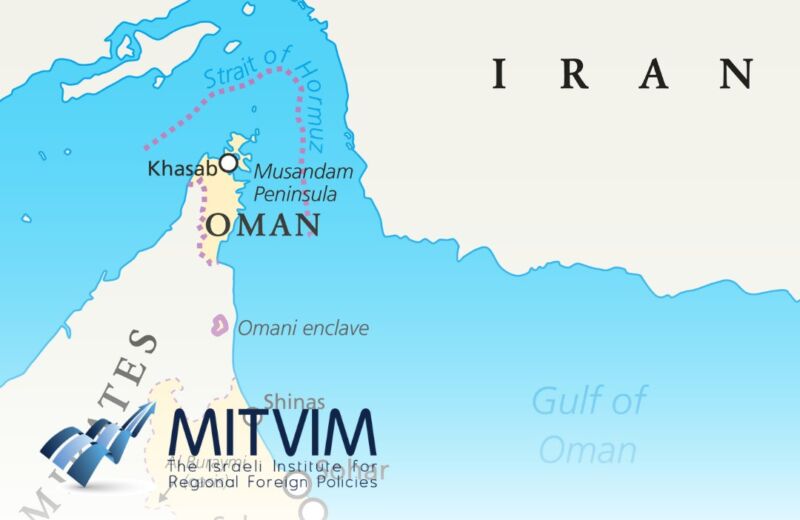
The war between Israel and the United States against Iran began much like the summer 2025 conflict: a campaign of airstrikes and targeted killings directed at Iran, met by Tehran’s missile
On February 28, against the backdrop of rounds of talks about a renewed nuclear agreement, Israel and the United States launched a surprise war against Iran. The following are responses from
As long as the present regime remains in power in Iran, there will be no genuine revival of Gulf-Iran relations. Only a new regime could mend the rifts.
The India–Middle East–Europe Economic Corridor (IMEC) was launched as a transport and connectivity initiative linking India, the Gulf, and Europe. That logic remains relevant, but the post-Gaza
At the 8th Annual Mitvim Conference, held in partnership with the Friedrich-Ebert-Stiftung (FES), over 300 participants from Israel and abroad joined senior diplomatic, political, and civil
The 13th annual public opinion survey of the Mitvim Institute on Israel’s foreign policy was conducted in late August 2025. The survey was carried out by the Rafi Smith Institute, in
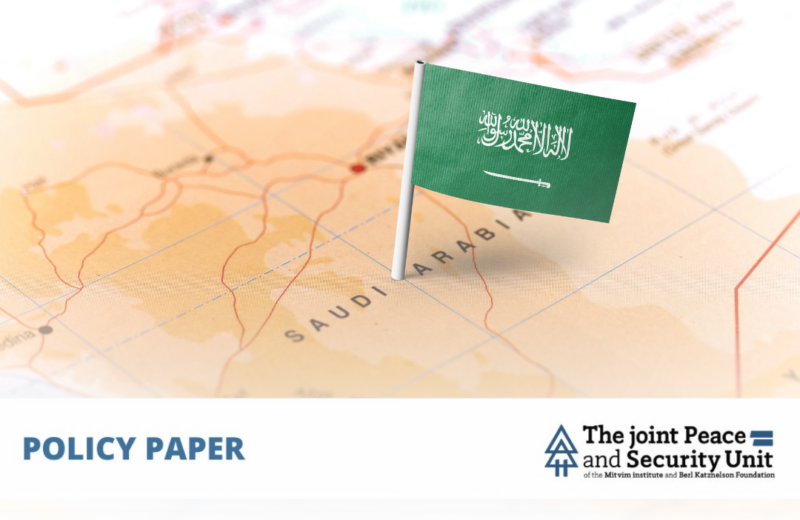
This paper explains why a Palestinian State is a necessity for Saudi Arabia and examines Saudi Arabia’s current and potential role in advancing the implementation of the two-state solution.

This document maps the main trends underlying Israel’s regional foreign policy and foreign relations from January to June 2025, a period coinciding with the first six months of Donald Trump’s
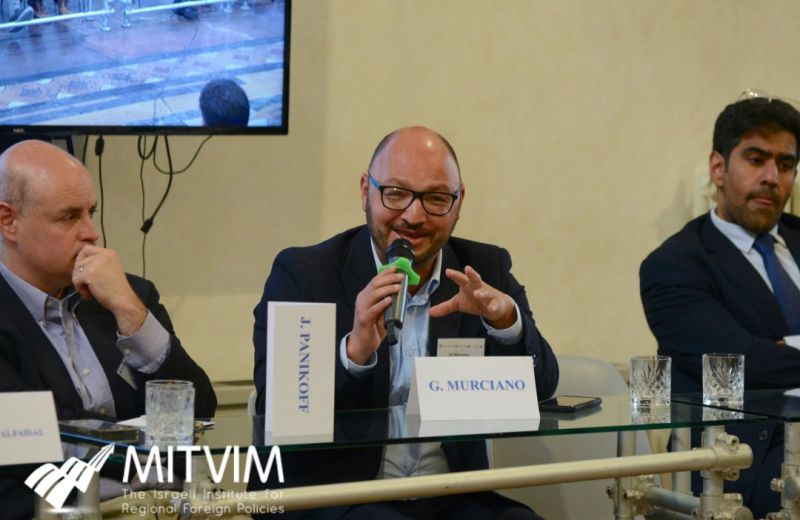
This question, among others, was explored at the conference Geopolitics of the Mediterranean in a Changing International Order, recently attended by Mitvim’s Director-General, Dr. Gil Murciano.
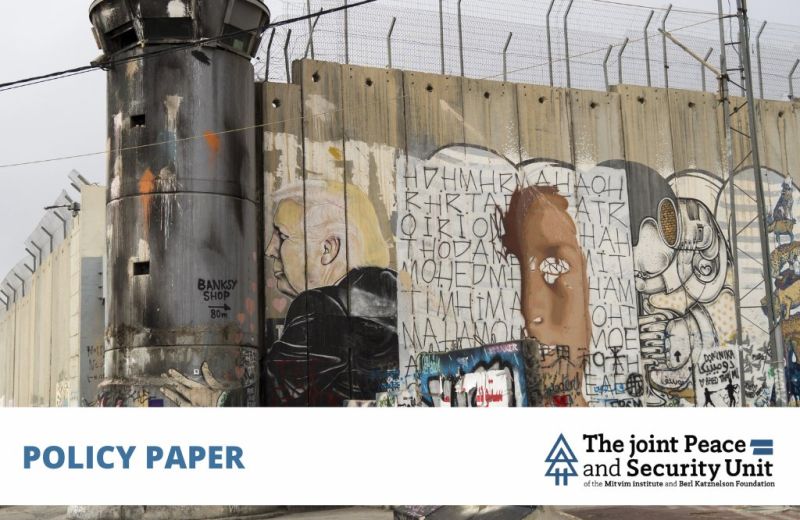
This document is part of a series of policy papers within a joint project of the Mitvim Institute and the Berl Katznelson Foundation, aimed at thinking about the day after the war.
Food security has become a critical priority in recent years, driven by the growing impacts of global climate change. As countries develop strategies to ensure stable and sufficient food

