

The Israeli return to Africa
Prime Minister Benjamin Netanyahu’s recent visit to Uganda, Kenya, Ethiopia and Rwanda in July 2016 was the highlight of intense diplomatic activity aimed at strengthening relations between
Prime Minister Benjamin Netanyahu’s recent visit to Uganda, Kenya, Ethiopia and Rwanda in July 2016 was the highlight of intense diplomatic activity aimed at strengthening relations between
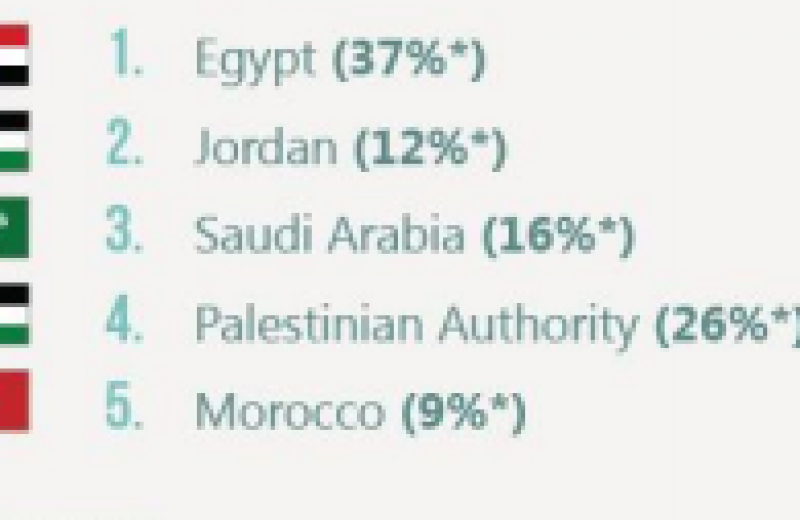
Israelis see high importance in advancing cooperation with Egypt, while cooperation with the Palestinian Authority is of low priority. This is the main finding from a public opinion poll
Israel faces a wave of anti-democratic sentiment and legislation that some have termed a ‘democratic recession.’ The country is grappling with the fundamental components of political power and
Engaged in a series of policy dialogues since 2012, Mitvim – the Israeli Institute for Regional Foreign Policies and the Global Political Trends (GPoT) Center believe that after the signing of
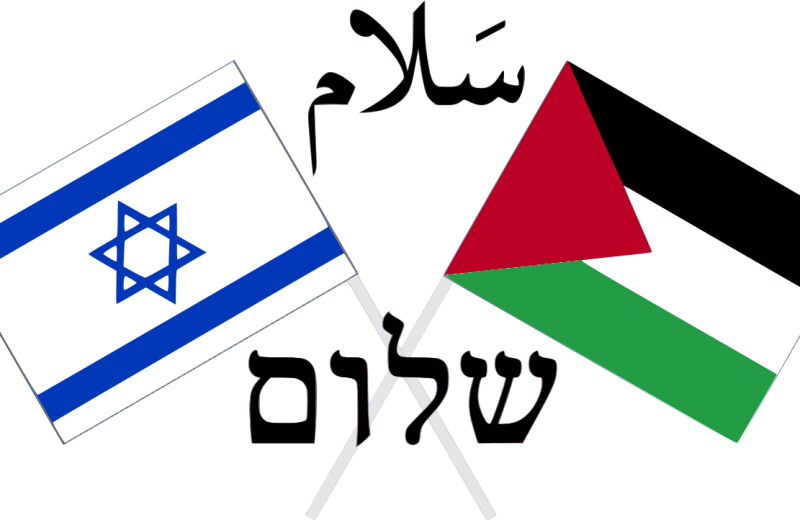
The recent report of the Middle East Quartet, published in July 2016, recommends that Israelis and Palestinians “foster a climate of tolerance, including through increasing interaction and

It usually happens once a decade. The Turkish army, or elements within it, decides to challenge the country’s authorities. The generals explain this as a need to preserve democracy or
After years of negotiations that produced sporadic headlines but few results, Israel and Turkey finally reached terms for reconciliation on June 27. While relations will not return to the “love
Turkey-Israel relations experienced several peaks and valleys in the last six decades, yet the dominant narrative between the two countries emphasized their shared strategic interests in the
The latest cycle of violence clearly shows the despair young Palestinians feel. This is a generation that will not follow its political leadership blindly. It loathes the existing political

In December 2013, the Foreign Affairs Council of the European Union (EU) offered to upgrade the bilateral relations between Israel and the EU to the level of Special Privileged Partnership (SPP)

The Netanyahu government’s objection to France’s proposal to convene an international peace conference is not out of step with traditional Israeli foreign policy. Over the years, Israeli

Israel and Turkey have been conveying to their publics positive messages about progress in the bilateral negotiations toward a reconciliation agreement. Expectations are that a deal may be
The Israeli-Palestinian conflict is mired in political paralysis that is costing lives daily. Local actors at the policy level are badly in need of fresh ideas, but few are forthcoming. In this

In the past few months, Israeli ministers have been engaged in an international effort to enforce legislation that will have Facebook and other social media networks take responsibility for
Ahmet Davutoglu was apparently the ultimate crony. He has served since 2003 as Recep Tayyip Erdogan’s political right-hand man, first as foreign policy adviser to the prime minister, after
The first visit by Saudi Arabia’s King Salman to Egypt has led to the signing of significant agreement between the two countries. The visit and its consequences signal a new phase in the
Saudi Arabian King Salman’s five-day visit to Egypt and the extensive media coverage it garnered are an expression of the warming of ties since al-Sisi became president in June 2013. Morsi’s
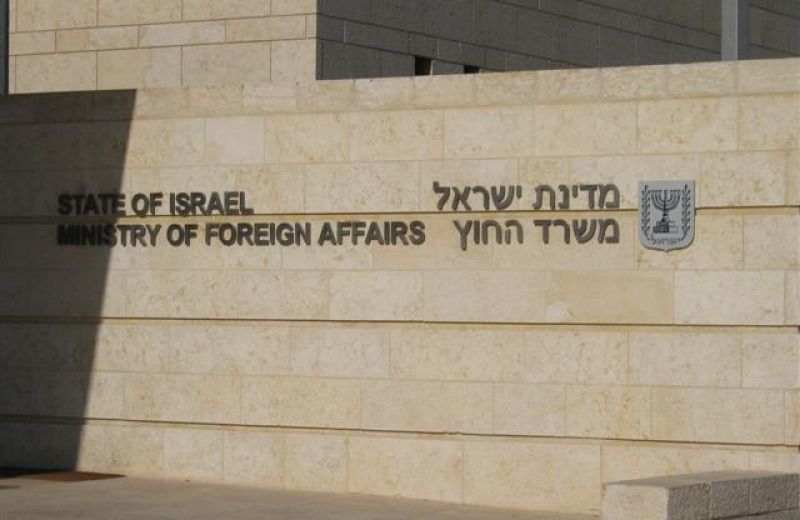
The gradual weakening of Israel’s Ministry of Foreign Affairs (MFA) over the years, especially in comparison to the other entities responsible for various aspects of foreign and defense policy,
Indonesia’s Foreign Minister, Retno Marsudi, visited the Middle East in March. Israel decided to prevent her from traveling to Ramallah in light of her refusal to visit Jerusalem as well. Shortly
Saudi Arabian king Salman bin Abdulaziz Al Saud’s five-day visit to Egypt is an expression of the warming of ties between the two countries since Abdel Fattah Sisi became president of Egypt in
The Egyptian transfer of the islands of Tiran and Sanafir in April 2016 to Saudi Arabia can be understood from at least four separate perspectives. First, the agreement between the parties is
The recent Wall Street Journal report on the White House’s plans for reviving the stalled Middle East negotiations before President Barack Obama leaves office caught many people by surprise, for
“Several weeks ago I had the opportunity to spend a day in Gaza with Andy Dwonch, the head of Mercy Corps in Palestine. Mercy Corps is a large nonprofit organization based in Portland, with
Normalcy lacked in recent years in the relations between Israel and Turkey and should not be taken for granted It is difficult to look for the bright side of tragic events such as the recent
When Joe Biden visits Israel, drama inevitably ensues. Few in Israel have forgotten his 2010 trip, when upon his arrival the Interior Ministry announced the construction of new Jewish homes in

The year 2016 doesn’t bode well for the peace process, which has been stuck for a long time. The current situation ensures that the freeze will continue. This assessment is based on three
The year 2016 doesn’t bode well for the peace process, which has been stuck for a long time. The current situation ensures that the freeze will continue. This assessment is based on three
Almost 14 years after it was first unveiled, the Arab Peace Initiative (API) still has the potential to serve as a key incentive in efforts to resolve the Israeli-Palestinian conflict. This is

Pessimists, like Israel’s Prime Minister Benjamin Netanyahu, say that the deal between Iran and major powers to curb its nuclear capabilities will only enhance Iran’s threat, by lifting
Education Minister Naftali Bennett was right when he declared that the Foreign Ministry’s personnel “have a DNA.” But contrary to him, having been a member of that family for many years, I
Turkey and Israel face a unique opportunity: to reconcile after five years of stagnant bilateral relations. We, leaders of Israeli and Turkish think tanks that have been working together since
Under the current government, the Israeli Ministry of Foreign Affairs (MFA) has been further weakened. Israel currently does not have a full-time foreign minister, and traditional
The late Yossi Sarid was one of the most active, committed Israeli politicians to promoting peace between Israel and the Palestinians. Yet his rich career in public service brings to mind one
The deep freeze in the peace process between Israel and the Palestinians has led the international community to examine new ways of acting to further clarify the character of a future two-state
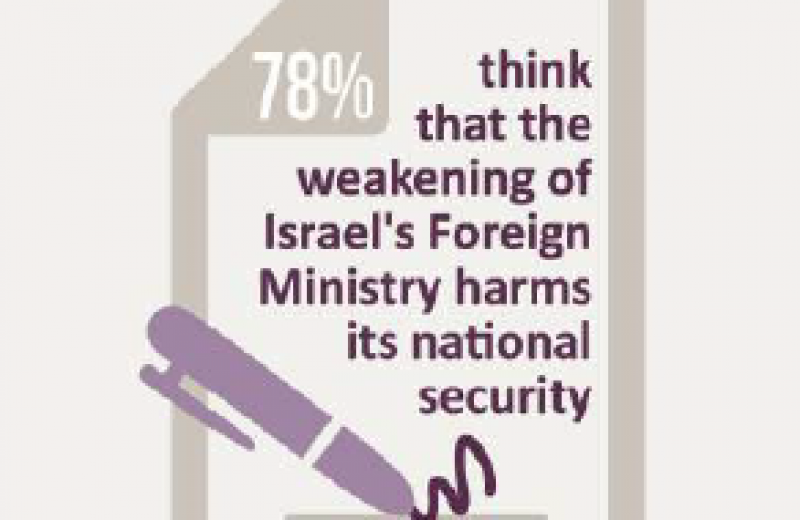
Since 2013, Mitvim – The Israeli Institute for Regional Foreign Policies publishes an annual index covering a variety of issues related to Israel’s foreign policy. The 2015 Israeli Foreign
Some 100 representatives of approximately 75 leading think tanks and research centers from across the Middle East, North Africa and the European Union (EU) gathered on 8-9 October 2015 in Milano
Israel finds itself surrounded by a region in turmoil and transition. The collapse of neighboring states, the emergence of regional powers and the U.S. withdrawal as the security guarantor of the
Israel finds itself surrounded by a region in turmoil and transition. The collapse of neighboring states, the emergence of regional powers and the U.S. withdrawal as the security guarantor of the
As violence between Israelis and Palestinians escalated amid diplomatic stagnation, the United States Institute of Peace (USIP) and Mitvim – The Israeli Institute for Regional Foreign Policies
The international community is currently exploring an initiative to establish an International Support Group (ISG) for the Middle East Peace Process, which is supposed to help create conditions
The stagnation in the Israeli-Palestinian peace process was clearly reflected at the 2015 UN General Assembly. The speeches of Mahmoud Abbas and Benjamin Netanyahu lacked vision and hope, and
The annual meeting of the United Nations General Assembly, which occurs every fall, affords heads of state from across the globe the opportunity to lay out their vision and policies for the
The meeting of the Middle East Quartet, which convened in the margins of the annual debate of this year’s United Nations General Assembly, was part of an attempt to breathe new life into the
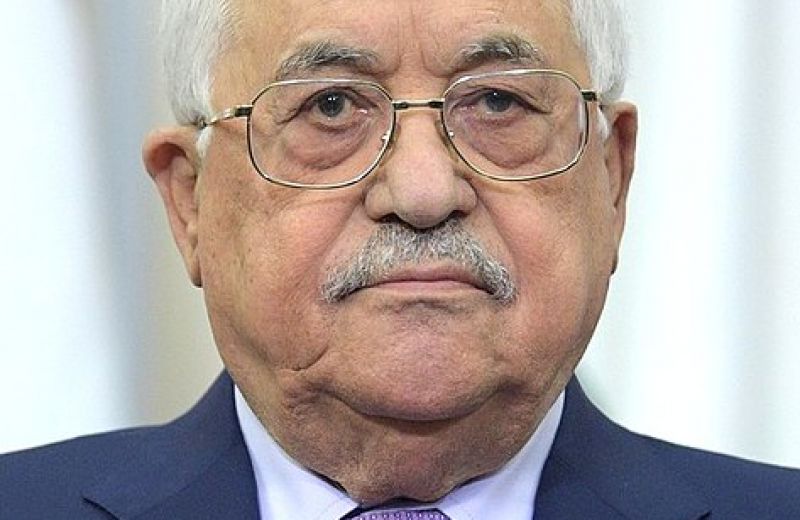
The Palestinian President has recently announced his resignation from the position of Chairman of the PLO Executive Committee. This move took place in parallel to the intensification of power
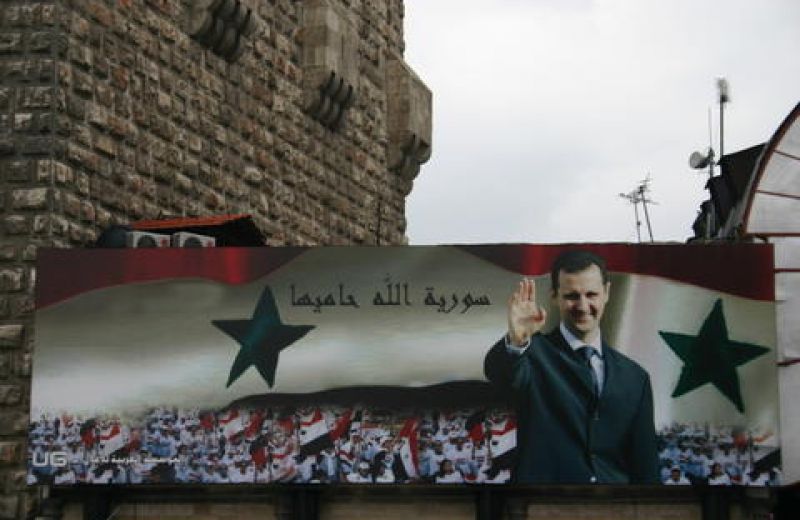
The fact that Israel came into existence at the expense of a Palestinian state has been the cause of much hostility between Israel and its Arab neighbors and was the reason for many armed
Findings of the Mitvim Institute Poll, September 2015 Since 2013, Mitvim – The Israeli Institute for Regional Foreign Policies publishes an annual index covering a variety of issues related
A foreign policy paradigm is the way policy makers perceive their country’s foreign policy goals and their country’s political and military position in the international community. The strategy
Dr. Abdullah Swalha, Director of the Center for Israel Studies in Jordan, was the keynote speaker at a symposium held by Mitvim – The Israeli Institute for Regional Foreign Policies on 13
The deal negotiated by the P5+1 with Iran on its nuclear program has been heralded by supporters as a historic agreement and regional game-changer. Much of the international criticism thus far
On August 6, the new Suez Canal was inaugurated with great pomp and circumstance. In honor of the historic event, there were two ceremonies, attended by both Egyptian and foreign dignitaries,
On 29 July 2015, the Mitvim Institute and the Israeli Association for Diplomacy jointly convened an expert-workshop to discuss the opportunities offered by the Foreign Service bill recently
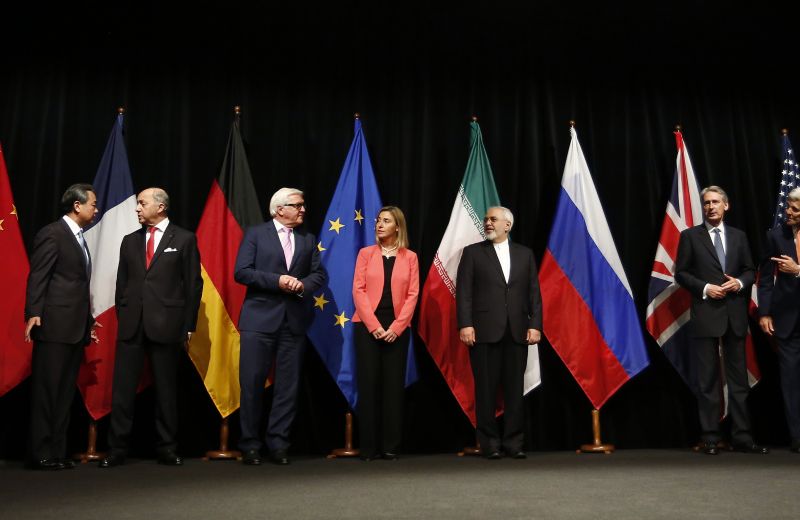
The deal reached between Iran and the six world powers is likely to have significant implications for Iran’s role in the region, Israel-US relations, domestic American politics, Israel’s foreign
Israelis’ perception of the phenomenon of Muslim immigration to Europe is characterized by trepidation that is deeply rooted in the shared history of Jews and the peoples on the European
Israeli foreign policy must adapt to become compatible with the modern diplomacy of the 21st century. It must recognize the increasing role of new actors in the diplomatic sphere and create

On 1 July 2015 an unprecedented attack was launched by an Islamist organizations affiliated with the Islamic State (IS) against Egyptian military targets in the north of the Sinai Peninsula. This
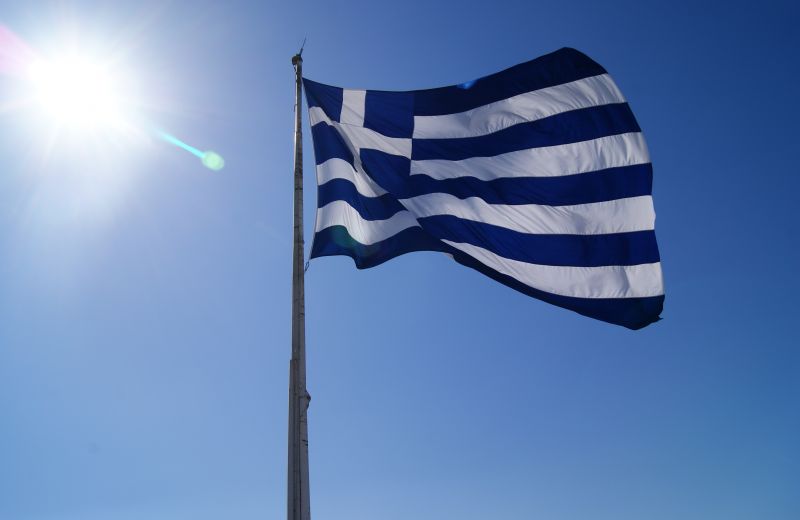
On Sunday, July 5, 2015, the Greek people gave a clear ‘No’ to a proposed bailout deal by the Troika (the European Commission, International Monetary Fund and European Central Bank). Though the
Informed commentaries have stressed, somewhat justifiably, Iran’s benefits from the nuclear agreement with the P5+1 powers. Yet the agreement is, in many ways, formal confirmation of regional
Following Zionist Union leader Isaac Herzog’s announcement that he opposed the Iranian nuclear deal, right-wing critics wasted no time accusing J Street of being anti-Israel, pointing out that
Most analysts today consider Ahmet Davutoğlu’s “zero problems with neighbors” strategy a failure, and typically cite Turkey’s decision to lend its support to the Muslim Brotherhood during the
The signing of a nuclear deal with Iran will further aggravate the already tense relations between Israel and the US regardless of the exact details of the agreement or the nature of the
The post-Arab Spring period, which witnessed the collapse of dictatorial regimes, the eruption of civil wars and the possible disappearance of several sovereign Arab states, created opportunities

The Knesset election results have put the left on the defensive. It has since had to explain why it lost, and the blame was placed on the usual suspects: An ineffective campaign, a lack of
A fourth Netanyahu government, even with its conservative bent, should not by itself be a cause for immediate concern, at least not more than the third Netanyahu government. But long-term trends
In the immediate aftermath of Israel’s recent elections and the formation of its 34th government, and not long after a period of conflict with Gaza and heightened tensions amongst Israel’s Arab
Most analysts consider Davutoğlu’s “zero problems with neighbors” strategy a failure, and typically cite Turkey’s decision to lend its support to religious conservative movements like the Muslim
How can Israeli foreign policy be adapted to comport with 21st century diplomacy? This question was the focus of a symposium convened on 20 April 2015 at Tel Aviv University by Mitvim – The
Thomas Friedman’s interview with President Barack Obama on the Iranian nuclear issue evoked many responses, both positive and negative. In this interview, Friedman attempted to describe Obama’s
Mitvim – The Israeli Institute for Regional Foreign Policies and Global Political Trends (GPoT) Center held their 5th policy dialogue on March 23rd, 2015, in Washington D.C. The event which was
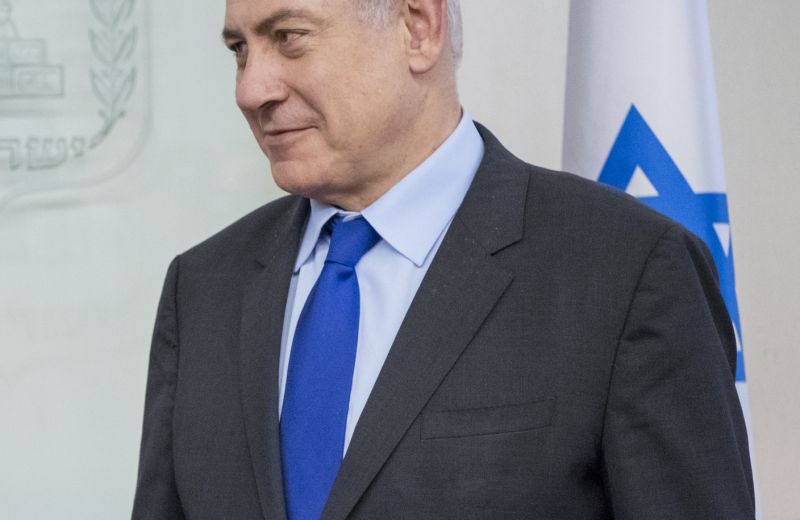
The right-wing victory in the Israeli election is likely to have significant impact on Israel’s foreign policy, specifically on ties with the US and the Palestinians. Statements made in the
Israel lacks a coherent foreign policy. This has a harmful effect on its position in the world, on the role of its Ministry of Foreign Affairs in decision making processes, and on the conduct of
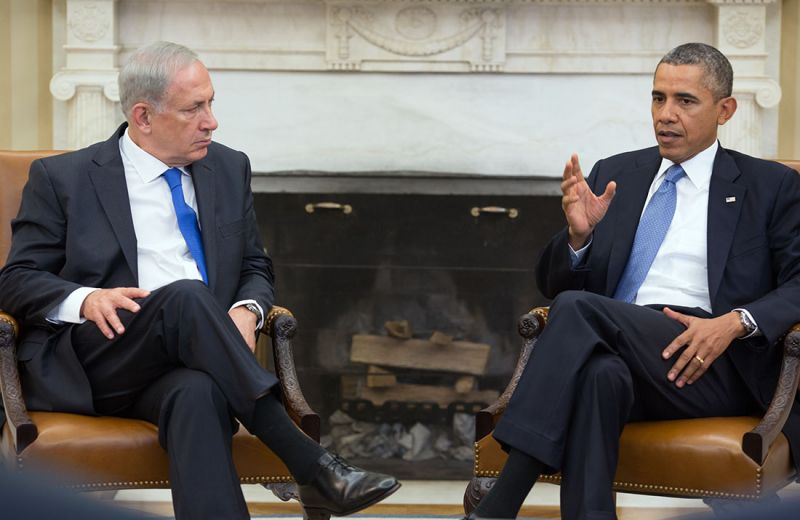
The alliance with the US is a crucial asset for Israel’s foreign policy. It brings Israel significant political, security and economy benefits. Public opinion data shows that the Israel public
Following Benjamin Netanyahu’s surprise landslide victory in the Israeli general election, the new question that has swept the national scene is how the incumbent Prime Minister will compose his
The Coalition of Radical Left (Syriza) was the big winner of the Greek national elections of January 15, 2015, as expected. With 36.34% of the votes, Syriza and its leader (now Prime Minister)
MK Tzipi Livni (Zionist Union), Minister Dr. Yuval Steinitz (Likud), MK Ofer Shelah (Yesh Atid), Dr. Michael Oren (Koolanu) and Mossi Raz (Meretz) spoke at a pre-elections event on Israel’s
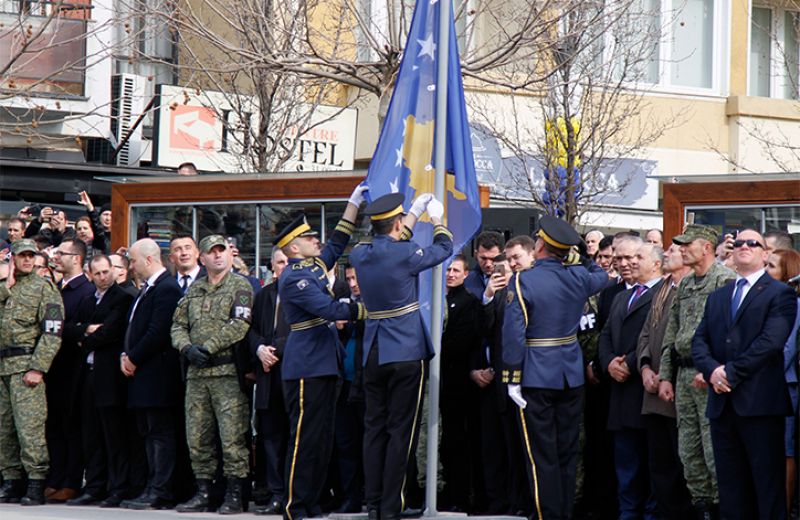
In February 2015, Dr. Enver Hoxhaj, a Member of the Parliament of the Republic of Kosovo, Chairman of the Parliament’s Foreign Affairs Committee, and Kosovo’s former Foreign Minister, visited
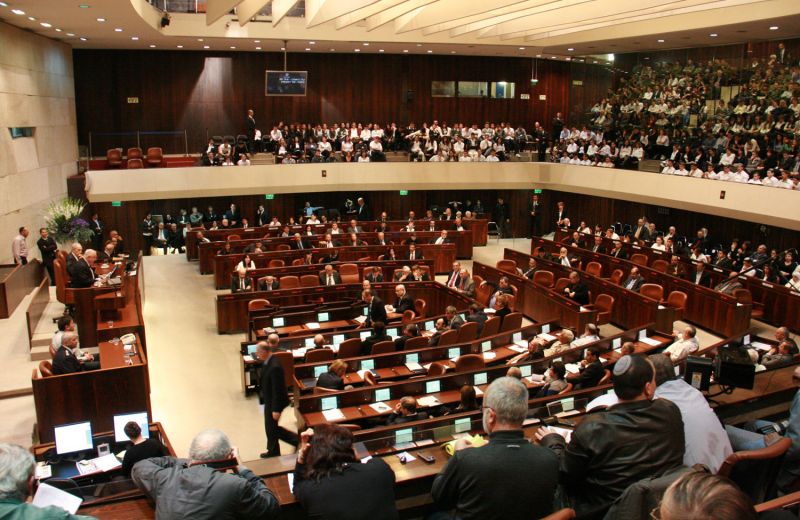
Election season in Israel has returned and for the first time since 2001 the Left has a fighting chance come voting day on March 17. Israeli Prime Minister Benjamin Netanyahu’s failure to stymie
A few months ago, former Justice Minister Tzipi Livni traveled in secret to New York to a meeting attended by the foreign ministers of several Arab countries, Arab League officials and European
In late December 2014, Egypt and Qatar have agreed to normalize their relations, which were strained due to Qatar’s support of the Muslim Brotherhood. The deal, which coincides with parallel
The annual public opinion poll of Mitvim – The Israeli Institute for Regional Foreign Policies on Israel’s foreign policy has been carried out between September 9 and 11, 2014 by the Rafi
Findings of the Mitvim Institute Poll, December 2014 The annual public opinion poll of Mitvim – The Israeli Institute for Regional Foreign Policies on Israel’s foreign policy has been
Senior Israeli security personnel, Israeli and Palestinian political leaders, rabbis and imams have been warning for years that the Jewish-Muslim conflict over the Temple Mount/Haram al-Sharif
On November 20th, 2014, Mitvim – The Israeli Institute for Regional Foreign Policies and the Global Political Trends (GPoT) Center held their 4th policy dialogue. The dialogue took place in

The 2014 American midterm elections on November 4 brought a sweeping victory for the Republican Party, which among other gains retook the Senate. When the new Congress convenes on January 3,
Turkish Prime Minister Erdoğan’s anti-Israel comments during Operation Protective Edge were driven by domestic concerns, including the August 10th Presidential elections; But Turkey needs to be
In light of the prolonged fighting between Israel and Hamas, forty experts, diplomats and journalists, from Israel and abroad, convened in Jerusalem on July 24, 2014 for a policy planning
The ongoing crisis in Iraq has revived fervid calls for Kurdish independence, and yet the immediate viability of a future Kurdish state depends overwhelmingly on a single factor: stable oil
Following the kidnapping of three Israeli youths and Secretary of State John Kerry hinting at Hamas responsibility, U.S. congressmen were right to question the merits of the new Palestinian
In front of the cameras, at the conference of foreign ministers of the Organization of Islamic Cooperation taking place in Jeddah, Saudi Arabia, the Palestinian Authority chairman chose Wednesday
Palestinian inner strife which started in June 2007 seems to be on its way to an end. The two major Palestinian parties, Fatah and Hamas, entered into deliberation after realizing that current
Following the May 2014 elections for the European parliament, the Mitvim Institute and the Friedrich-Ebert-Stiftung convened an experts’ workshop to analyze the election results and their impact
A week after he was attacked in Ramallah, Israeli reporter Avi Issacharoff was invited by President Abbas to his office to condemn the attack and grant him an exclusive interview. Among the
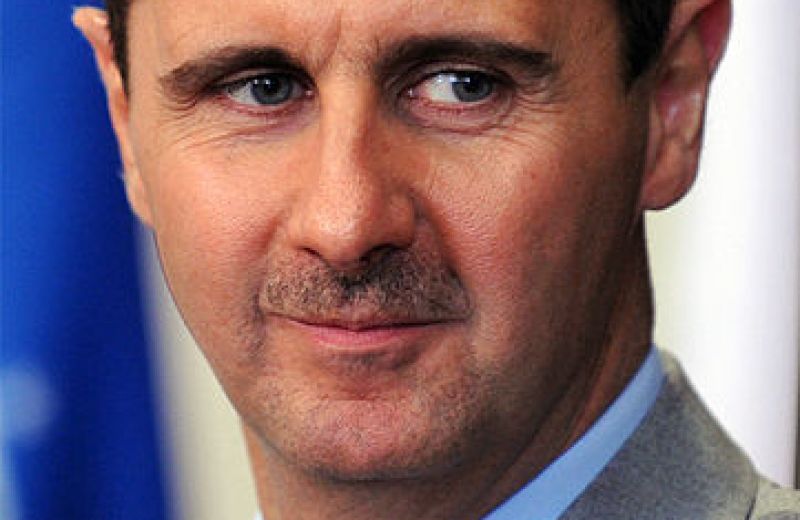
In January 2014, as the second Geneva conference on the Syrian civil war was being conducted, Channel 9 and The Mitvim Institute’s Ksenia Svetlova interviewed Dr. Samir al-Taqi, a former advisor
Turkey’s former Foreign Minister, H.E. Yaşar Yakış, visited Israel on 20-21 May 2014, upon the invitation of Mitvim – The Israeli Institute for Regional Foreign Policies. The visit was
On 19 May 2014, a symposium on American foreign policy towards Israel and the Middle East, hosted by Mitvim – the Israeli Institute for Regional Foreign Policies and the Tami Steinmetz
The Fatah-Hamas reconciliation agreement is being harshly condemned by Israeli government officials, including the Prime Minister himself. However, Israeli foreign policy experts from Mitvim
On Tuesday night, Palestinian President Mahmoud Abbas, appearing live on television, signed the documents necessary for the Palestine Liberation Organization to seek membership in 15
Palestinians see the delay in prisoners release by Israel as a negation of their commitments to halt the international campaign; Abbas is looking to increase his leverage, but the US should be
Israel lacks a coherent foreign policy paradigm. However, an analysis of Israel’s foreign policy conduct since 1948 highlights seven key elements: the influence of the coalition system on foreign
The symposium, which was held as Israel’s Ministry of Foreign Affairs was on strike, examined how Israel facilitates its foreign policy, what the pros and cons of its policy are, and how it can

